
5 Minimalist Wooden Decor Ideas for Modern Homes
Quick Summary
Minimalist wood decor works in modern homes because it removes clutter and lets natural material carry the design. Choose a few handcrafted pieces matched to each room's function, favor quality over trends, and limit each surface to one wooden element.
- Use only a few well-placed wooden pieces, since two or three usually look more intentional than many.
- Choose softwoods like pine or cedar for humid or functional spots, and hardwoods like oak, walnut or maple for heirloom pieces.
- Insist on a sealed finish for anything near water, because oil and wax alone will not hold up to moisture.
- Keep wood decor to one object per surface and leave roughly half of any styled surface empty.
- Limit wood tones to two or three per room, with one dominant tone and one contrasting accent.
Table of Contents
- Why Minimalist Wooden Decor Works in Modern Homes
- Choosing Wood Species, Finishes and Durability
- Minimalist Wood Decor Ideas for Each Room
- Wood Wall Decor Ideas That Keep Walls Calm
- Mixing Wood Tones in a Modern Home Without Visual Overload
- Pick Your First Handcrafted Piece at Crazy Daze Woodworking
- Frequently Asked Questions
Why Minimalist Wooden Decor Works in Modern Homes
Last Updated: November 1, 2026
Minimalist wood decor works because it removes clutter and lets natural material do the visual work. Crazy Daze Woodworking builds small, heirloom-quality pieces that suit clean, uncluttered rooms.
Warm minimalism and natural materials are showing up across current interior trends. One 2026 trends piece from Woodgrain's Top 10 Interior Trends of 2026 describes mixing wood tones as a defining look for the year. Another overview from The Rustic Brush's 2026 home decor trends points to earthy minimalism.
Trends come and go, though. One 2026 design article from Oak & Loom's analysis of lasting interior design argues against following trends as the main basis for design decisions.
In practice: pick fewer pieces, choose them for material quality, and let the grain do the talking.
Choosing Wood Species, Finishes and Durability
Wood species and finish decide how a piece looks, how it ages, and where it belongs in the house. Most minimalist wooden decor fails not because the design is wrong but because the wood was matched to the wrong room. Use this as a decision guide rather than a shopping list.
How the common species compare
- Pine, Light, warm, and soft. It takes a clear finish easily and reads as casual and Scandinavian. Because it dents more readily than hardwoods, it suits plant stands, trays, and low-traffic decor rather than pieces handled daily.
- Western red cedar, Lightweight, aromatic, and naturally rot- and insect-resistant, making it a strong pick for plant stands, bathroom-adjacent pieces, and anything that sees humidity. It is softer than oak, so treat it as a functional wood, not an heirloom surface.
- Oak, A dense, open-grained hardwood with a pronounced grain pattern. It is heavy, hard-wearing, and takes stains and clear finishes predictably. White oak is the more neutral, modern choice; red oak reads warmer and busier. Oak is the default for pieces meant to be handed down.
A practical rule: softwoods (pine, cedar) for functional and humid spots, hardwoods (oak, walnut, maple) for heirlooms and focal decor.
Finish trade-offs that actually matter
- Clear waterproof finish, It seals the surface against water rings, spills, and humidity while keeping the natural color visible. Best for plant stands, kitchen pieces, and anything near a sink or window.
- Oil and wax finishes, Softer, more matte, and more tactile, but they need occasional refreshing, typically a re-oil every few months to a year depending on handling. Not the right choice for a piece in a humid bathroom or holding wet plants.
- Unfinished wood, Cheapest and most natural-looking, but it stains, dries out, and shows wear fastest. Reserve it for decorative pieces in dry, low-traffic rooms.
Match the piece to its job
- Keepsake box, Built to be handed down, so choose a hardwood (oak, walnut, or maple) with a sealed finish.
- Plant stand, Sits in a humid spot and needs a sealed finish that can handle water; cedar or sealed pine is the practical pick.
- Game or handled piece, Gets touched often, so a denser hardwood with a durable clear finish resists wear and oils from hands.
You can see the exact materials used in each piece on the Materials page.
Care and long-term maintenance
-
Sunlight, - Moisture, Wipe spills promptly and use a coaster or tray under plants. Standing water is the fastest way to ruin a finish.
-
Humidity, In dry winter air, solid wood can shrink slightly; in very humid rooms, it can swell. Keeping pieces away from heating vents and exterior doors reduces movement.
The table below summarises how the common wood species compare for different uses, based on the guidance above.
| Species | Best for | Key difference |
|---|---|---|
| Pine | Plant stands, trays, low-traffic decor | Light and warm, but dents more readily |
| Western red cedar | Humid spots, plant stands | Lightweight, rot- and insect-resistant, softer than oak |
| Oak | Pieces meant to be handed down | Dense and hard-wearing, predictable stain uptake |
| Walnut | Focal pieces such as keepsake boxes | Dark, fine-grained, harder and more expensive than oak |
| Maple | Display pieces | Pale and tight-grained, shows dirt and fingerprints more than darker woods |
Minimalist Wood Decor Ideas for Each Room
Each room asks for something different, so start with the space's main function and work outward. Keep the number of wooden pieces small. Two or three well-placed items usually look more intentional than a shelf full of them.
!Bright, uncluttered modern living room with a single handcrafted wooden egg tray on a light oak sideboard beside a neutral linen sofa

Living Room and Dining Room Layouts
In the living room, one wooden accent on a sideboard or shelf is enough. A keepsake box beside a neutral sofa adds warmth without competing with the furniture.

In the dining room, a single wooden piece at the center of the table or on a credenza keeps the look calm. On a table, aim for a centerpiece no taller than about 12 inches so sightlines stay open, and no wider than one-third of the table's length.
Bedrooms
Bedrooms reward softness over statement. A small wooden tray or keepsake box on the nightstand is usually all a minimalist bedroom needs, one object per nightstand, not a cluster. On a dresser, a single wooden piece offset to one side reads more modern than a centered arrangement. Keep wood tones consistent with the bed frame so the room feels deliberate rather than collected.
Kitchens
Kitchens are the most humid room in most homes, so choose sealed pieces and keep them away from the sink and stovetop splash zone. A reclaimed barnwood egg tray or a small wooden board on an open shelf adds warmth without clutter. Limit wooden decor to one shelf or one counter run; a single tone keeps open shelving from looking busy.
Bathrooms
Bathrooms are the hardest room for wood because of steam and standing water. If you want wood here, choose cedar or a sealed hardwood and keep it on a shelf away from the shower. A small tray or box on a vanity is enough, avoid wood on the floor or beside the tub, where moisture will win.
Hallways and Entryways
Small spaces reward restraint. In a hallway, a slim wooden piece on a console draws the eye without crowding the walkway. Keep the console depth to about 12-14 inches so it does not intrude on traffic, and leave at least 36 inches of clear walking width. One object on the console, plus maybe a bowl for keys, is the whole arrangement.
Home Offices
In a home office, the Triangle Peg Game works as a conversation piece on a shelf, adding a tactile, handmade object to a desk-side setup. Its compact size fits tight surfaces, and a single Triangle Peg Game on the shelf is often all a small room needs. Keep the desk itself clear, put wood decor on the shelf above or beside the desk, not in the working zone.

Small-Space scale rules that apply to every room
- One wood element per surface. A shelf, console, or nightstand gets one wooden object, not three.
- Height matters. On open shelves, vary object heights by at least a few inches so the eye has somewhere to go; a row of same-height pieces reads flat.
- Negative space is the design. Leave roughly half of any styled surface empty. Crowding is what makes small rooms feel smaller.
Wood Wall Decor Ideas That Keep Walls Calm
Wall decor should add quiet texture, not noise. Choose one wooden element per wall and give it room to breathe. A simple wooden frame or a single piece of wall art works better than a grid of small items.
Keep the palette neutral. White, cream, and soft gray walls let natural wood read clearly. Avoid pairing a bold wood piece with a busy wallpaper, or the wall will feel crowded.
Mixing Wood Tones in a Modern Home Without Visual Overload
Mixing wood tones is one of the defining looks for 2026, but it can backfire if overdone. Pick one dominant tone and one contrasting accent, light pine with a walnut accent, for example, creates depth without visual chaos.
Limit the mix to two or three tones per room. Use the same finish across pieces where you can, so the tones feel related rather than random. Our Craft page shows how finished pieces look together, which can help you judge a combination before you buy.
Pick Your First Handcrafted Piece at Crazy Daze Woodworking
Start small. A single piece lets you test how natural wood fits your space before you commit to more. The Keepsake box, at $55.00, is a handcrafted choice made from walnut and pine. The Egg Tray, at $27.00, is a rare reclaimed barnwood piece for the kitchen, with a limited quantity.
If you have questions about materials, sizing, or which piece fits your room, contact the Crazy Daze Woodworking team before you order.
Frequently Asked Questions
How do you decorate a modern home with wood without making it feel cluttered?
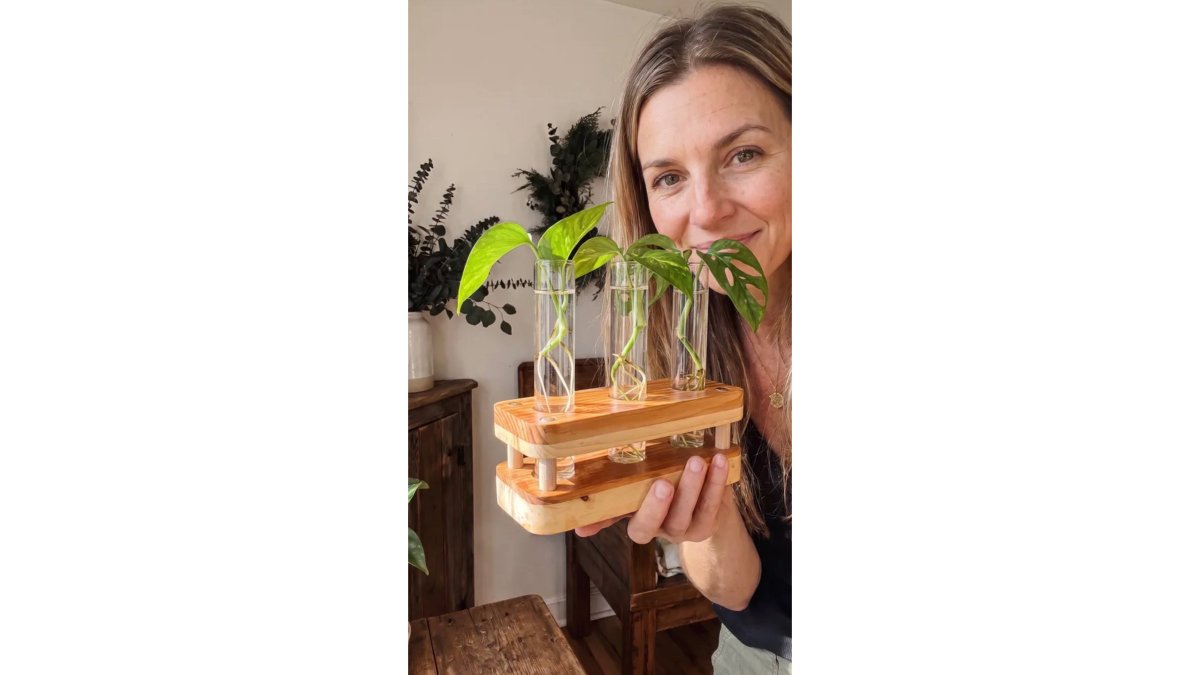
Limit wood to a few deliberate pieces rather than spreading it across every surface. One larger wooden item, such as a walnut keepsake box or a pine and western red cedar plant propagation stand, anchors a shelf or sideboard better than several small accessories. Keep the surrounding palette neutral so the grain becomes the focal point. Leave open space around each piece, and remove anything that does not serve a function or hold meaning. Editing down to three or four wooden accents per room usually keeps a modern space calm while still feeling warm.
What types of wood decor work best in a minimalist home?
Pieces with clean forms and visible natural grain suit minimalist interiors best. Pine and western red cedar work well for functional items like plant propagation stands, since their light and reddish tones contrast gently with white or grey walls. Walnut has a deeper tone that adds richness to a simple shelf or box. Reclaimed barnwood, such as the 150-plus-year-old white oak used in the Crazy Daze egg tray, brings character through its weathered surface. Choose one or two species per room to keep the look cohesive.
What wood tones work well with modern interiors?
Light and mid-tone woods such as pine, white oak and cedar pair well with modern neutrals like white, warm grey and soft beige. Walnut provides a darker counterpoint that grounds a room without overwhelming it. Mixing one light and one darker wood in a space typically reads as intentional, while using many different tones tends to look busy.
How do you mix different wood tones in one room?
Start with one dominant wood tone and add a second, contrasting tone in smaller amounts. For example, a light pine plant stand can sit alongside a walnut keepsake box on the same shelf. Repeat each tone at least twice in the room so the mix looks planned. Keep metal hardware and textiles consistent, such as gold accents or neutral linen, to tie the pieces together. Avoid placing three or more distinctly different wood tones within one sightline.
